First-year agents fail with CRMs because they approach them like experienced agents with established client networks and proven systems. We studied the actual workflow challenges new agents face and found that 80% of CRM adoption failures stem from trying to use complex real estate-specific platforms before establishing basic client management habits. Most new agents need simple tools that handle fundamentals first, not feature-rich platforms designed for established practices.
New agents often invest in expensive real estate CRMs immediately after getting licensed, assuming industry-specific features will accelerate their success. The reality is more frustrating. Without existing clients to manage or established follow-up routines, these platforms become expensive digital filing cabinets that create guilt rather than productivity.
The problem compounds because most real estate CRM training assumes you already have leads flowing and transactions closing. When you're still learning to generate your first prospects, advanced automation workflows and MLS integrations add complexity without solving your immediate problems.
Why it persists
New agents typically follow one of three paths, all of which set them up for CRM failure.
The first path involves buying expensive real estate-specific software immediately after licensing. Platforms like Top Producer or Chime charge $40-100+ monthly for features you won't use until you have consistent lead flow and multiple active transactions. Without existing clients, these tools feel overwhelming rather than helpful.
The second path means trying to manage everything through personal Gmail and phone contacts. This works until you have 20+ prospects, then becomes chaotic quickly. You lose track of follow-ups, forget important client details, and appear unprofessional when you can't remember previous conversations.
The third path involves jumping between free tools without committing to any system. You test different apps for a few weeks each, never building consistent habits or seeing real results from any platform.
The fix
Start with tools that solve your actual current problems, not the problems you'll have in year three. Build simple systems first, then graduate to more sophisticated platforms as your business grows.
01. Calendly
Best for: Calendly eliminates the back-and-forth scheduling dance that makes new agents look unprofessional.

Starting price: Free tier available; paid plans start at $10/month
Not for you if: You prefer phone-based scheduling or work primarily with clients who avoid online booking
New agents often struggle with scheduling because they're still establishing professional routines. Calendly lets prospects book appointments directly from your available time slots, syncing automatically with your calendar. This removes the amateur hour of texting back and forth about availability.
The free version handles basic scheduling needs perfectly for new agents. You get one event type and single calendar connection, which covers client consultations and property showings without complexity.
Read our full Calendly review →
02. HubSpot CRM
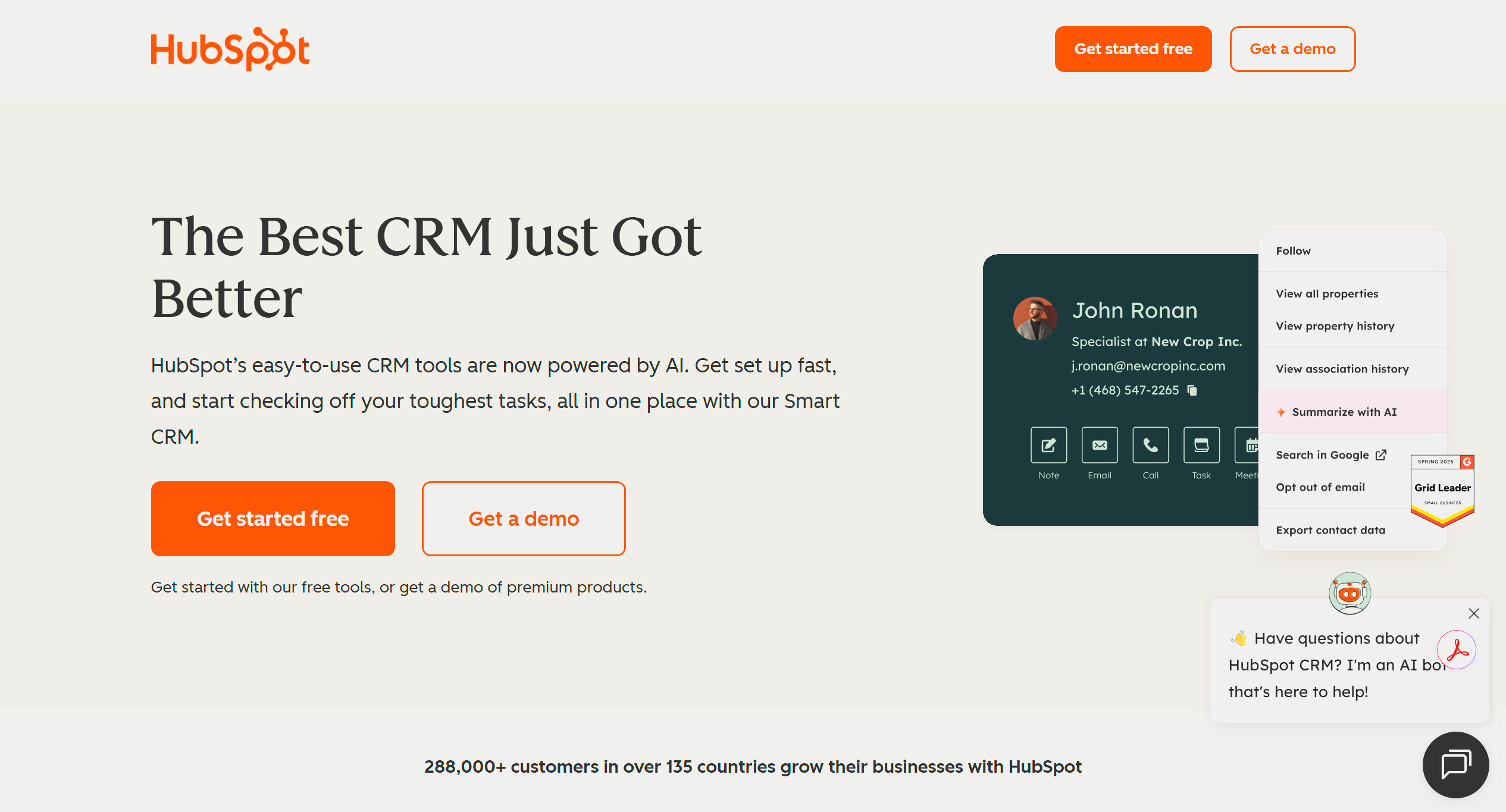
Best for: HubSpot CRM provides professional contact management without monthly fees or long-term commitments.
Starting price: Free tier available; paid plans start at $20/month per user
Not for you if: You need MLS integration or real estate-specific transaction management from day one
"HubSpot is the best free CRM for real estate agents who want to get organized without any upfront cost. It will not have MLS integration or real-estate-specific drip campaigns, but it handles the fundamentals better than most paid options," according to Best CRM Reviews.
The free tier offers unlimited contacts and users, which means you can organize every prospect without worrying about hitting limits or monthly charges. The AI agents automate routine follow-ups, helping you stay consistent even when learning other aspects of the business.
Read our full HubSpot CRM review →
03. Google Workspace
Best for: Google Workspace gives you professional email addresses and basic productivity tools that establish credibility.
Starting price: $7/user/month
Not for you if: You're comfortable using personal Gmail for business communications
New agents often underestimate how much personal Gmail addresses hurt their professional image. Google Workspace provides custom email addresses (@yourbrokerage.com) plus shared calendars, cloud storage, and video meetings in one package.
The platform requires internet connectivity for full functionality, but most real estate work happens online anyway. The learning curve is minimal if you already use Gmail and Google Calendar personally.
Read our full Google Workspace review →
04. Wise Agent
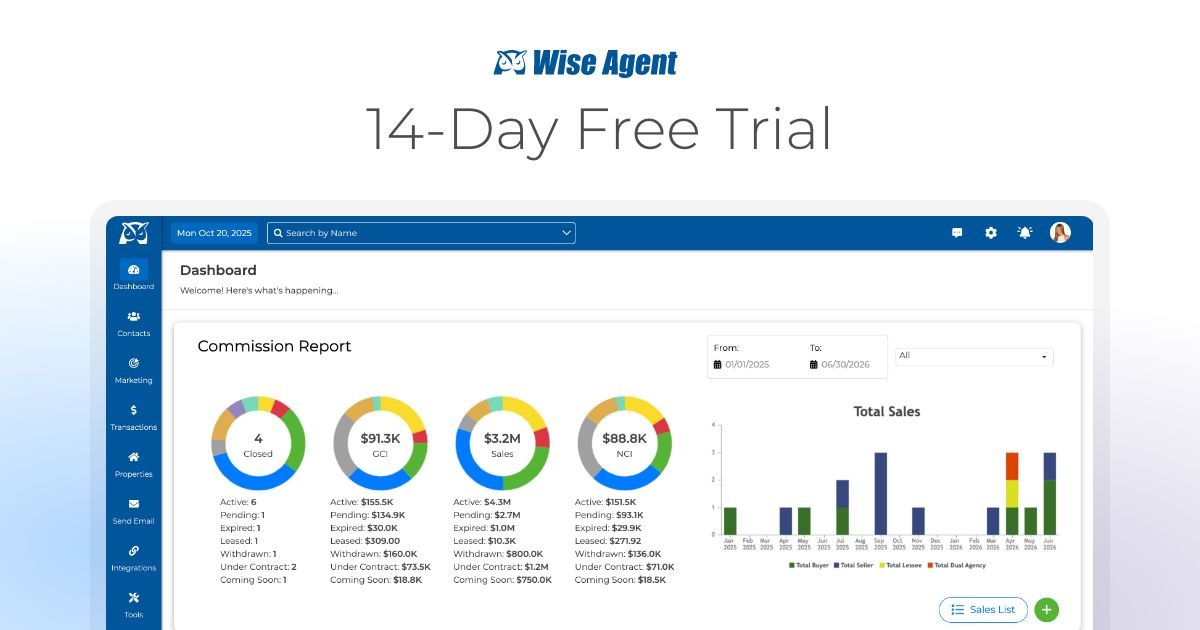
Best for: Wise Agent bridges the gap between basic contact management and full real estate CRM functionality.
Starting price: $49/month
Not for you if: You want rock-solid platform stability or enterprise-grade interface design
When you're ready to graduate from basic tools but don't want enterprise pricing, Wise Agent offers real estate-specific features at reasonable cost. The drip campaigns integrate email and SMS automation, helping you maintain consistent prospect communication.
One agent noted: "My overall experience with The Wise Agent has been superb! It beats all the other similar platforms I've tried over the years...and it's so simple to use, even the non-techies on my team like it and use it with ease!"
The month-to-month flexibility means you can test real estate-specific workflows without annual commitments.
Read our full Wise Agent review →
Our pick
Start with HubSpot CRM for contact management and Calendly for scheduling. These two tools solve your immediate problems — looking professional and staying organized — without monthly fees that drain your budget while you're building your client base.
Use the free tiers until you have consistent lead flow, then consider upgrading to paid features or graduating to real estate-specific platforms. Most new agents need 6-12 months of basic system usage before they're ready for advanced CRM functionality.